


Nutrition Advice
The importance of a healthy diet
What you eat and drink helps you maintain a healthy weight, or lose weight, which can reduce the risk of cancer and help prevent other illnesses such as diabetes and heart problems.
A healthier lifestyle can improve your levels of activity and mental health too.
What to eat
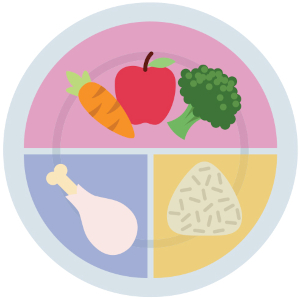 When planning a meal, think about how much space each food is taking up on your plate or in your bowl.
- Fruit and vegetables should be a big part of what you eat every day – they should take up half your plate.
5+ portions per day. - High fibre carbohydrates (like wholewheat pasta or brown rice) should take up a quarter of your plate.
3-4 portions per day. - Protein (eg. chicken, pulses, beans or fish) should take up a quarter of your plate.
2-3 portions per day. - Dairy products (like milk and yoghurt) can be a good source of protein, calcium and other vitamins. But watch out for the amount of fat and sugar.
2-3 portions per day.
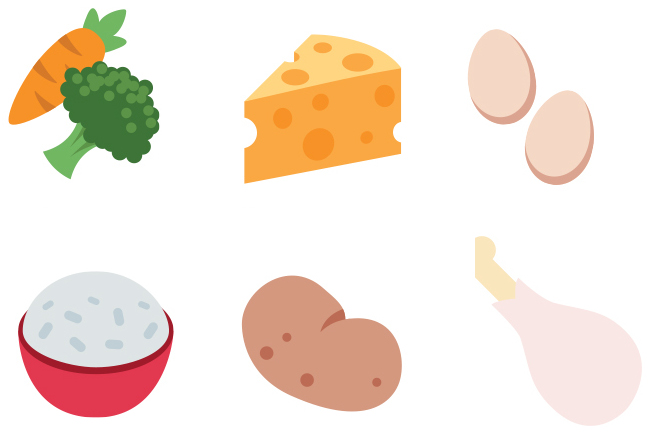 What counts as a portion?
- Dried pasta, rice, or couscous: two handfuls
- Potatoes: the size of your fist
- Eggs: 2 eggs
- Cooked veg: 3 heaped serving spoons
- Cheese: the size of two thumbs
- Chicken: the size of your hand
 Processed food
Cut down on processed food, sugary drinks and high calorie fast foods. You can treat yourself but remember foods like cake, chocolate, biscuits and crisps are often high in sugar, fat or salt. Check ingredients lists on packaging – everything that goes into your food will be listed by percentage (biggest to the smallest).
 Alcohol consumption
Drinking alcohol increases the risk of cancer. Drinking alcohol doesn’t mean that you’ll definitely get cancer, but the risk is higher the more alcohol you drink. So think about cutting down.
Cancer risks of obesity
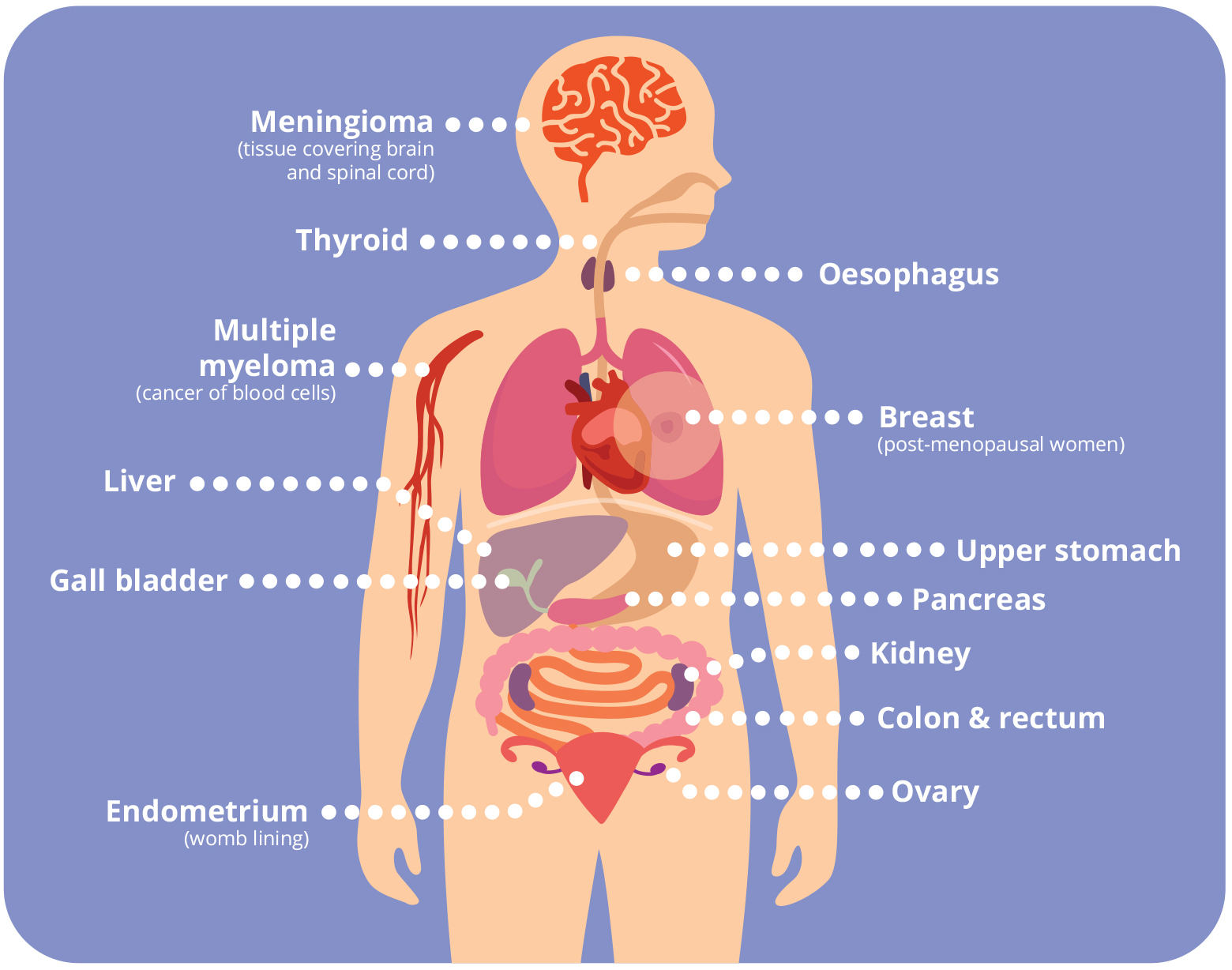
Having too much sugary food and drink, or food high in calories (including fast food) can make it easier to gain weight. Obesity may be a risk factor for 13 different types of cancer.
-
Oestrogen
After the menopause, oestrogen made by fat cells can make cells multiply faster in the breasts or womb, increasing the risk of cancer.
-
Insulin and growth factors
Excess fat can cause levels of insulin and other growth factors to rise, which also can tell cells to divide more rapidly.
-
Inflammation
Cells in fat called macrophages release chemicals called cytokines, encouraging cells, including cancer cells, to divide.
More research is needed to understand this in more detail.
Nutrition for cancer patients
Eating a healthy balanced diet can reduce the risk of cancer, but nutrition also plays an essential role in supporting cancer patients during treatment and recovery. Here are some general guidelines:
 Maintain a balanced diet: aim for a diet rich in fruits, vegetables, whole grains, lean proteins, and healthy fats to provide essential nutrients.
Stay hydrated: drink plenty of fluids to stay hydrated. Dehydration can exacerbate side effects of treatment.
Focus on protein: include sources like lean meats, poultry, fish, eggs, dairy products, legumes, nuts, and seeds in your diet. Protein is important for tissue repair and maintaining muscle mass.
 Choose nutrient-dense foods: these provide a variety of vitamins and minerals without excess calories. Examples include leafy greens, berries, nuts, seeds, and whole grains.
Limit sugary and processed foods: Minimise intake of sugary snacks, desserts, and processed foods – they offer little nutritional value and may contribute to inflammation and energy fluctuations.
Manage digestive symptoms: cancer treatments can sometimes cause digestive issues like nausea, vomiting, diarrhea or constipation. Work with a nutritionist to manage these symptoms.
 Be cautious with alcohol: limit alcohol consumption, as it can interfere with medications.
Listen to your body: pay attention to how your body responds to different foods and adjust your diet accordingly. If certain foods cause discomfort or worsen symptoms, try alternatives that are easier to tolerate.
Good food hygiene: cancer treatment can weaken the immune system, increasing the risk of foodborne illnesses. Practise good habits, such as washing hands and utensils, cooking foods to proper temperatures, and avoiding unpasteurised products.
Speak to your cancer nurse specialist or oncologist about any foods to avoid during your treatment – they may refer you to a nutritionist.
Find out more
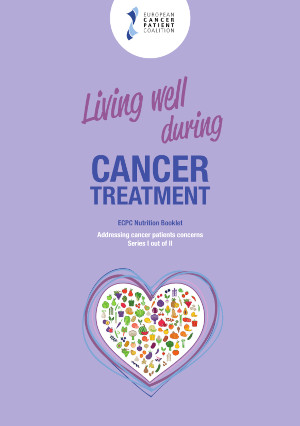 For more in depth information please see the European Cancer Patient Coalition booklet